Forget the Gym Bro Aesthetic — Gen Z Found a Better Way to Live Inside Their Bodies
For most of the last three decades, Western fitness culture had a pretty clear script. You sign up for a gym. You track your macros. You take a "before" photo. You suffer toward an "after." And if you're doing it right, the result is a body that looks like it was designed by someone who's never felt joy.
Gen Z is increasingly uninterested in that script. Not because they don't care about their bodies — they care deeply. But the framework of "body as project" is colliding hard with something more interesting: movement as identity, as community, as cultural expression. And the forms of movement winning that collision are not coming from a gym chain.
The Practices That Are Actually Catching On
Scroll through fitness content on TikTok and Instagram right now and you'll notice something has shifted. Yes, there's still plenty of "5 AM workout" content. But nestled between the protein shake ads and the HIIT montages is something genuinely different.
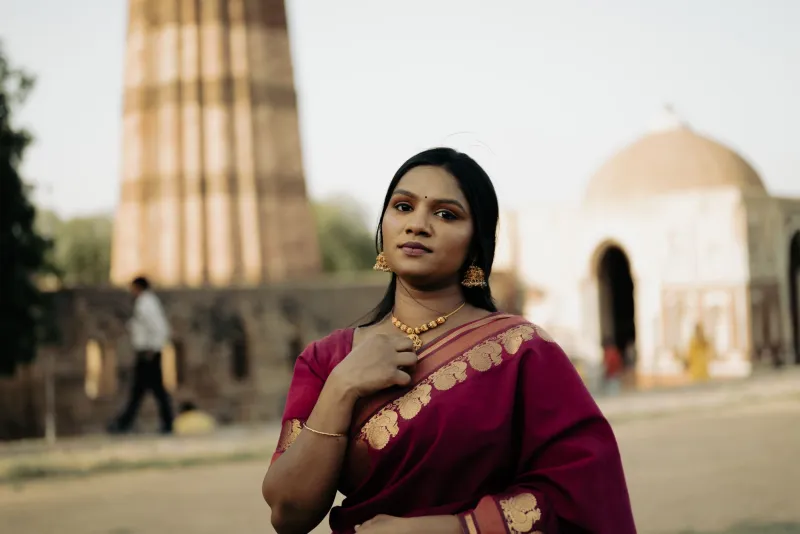
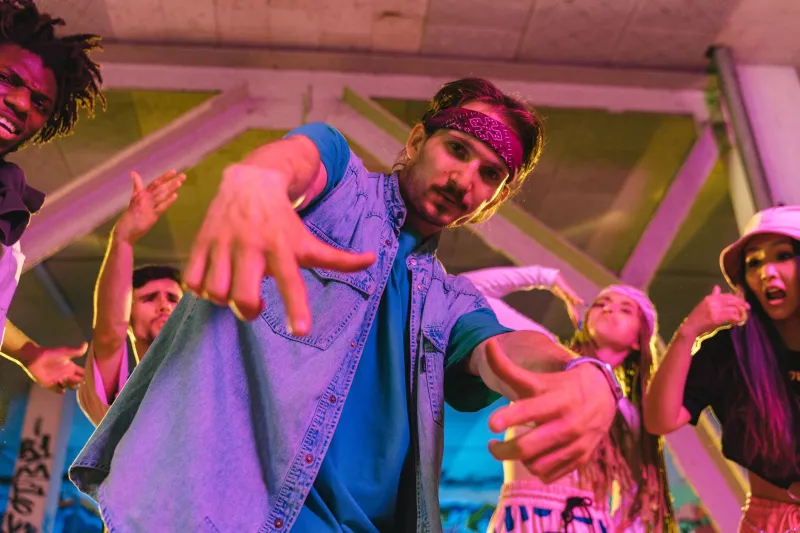
There are capoeira clips — the Afro-Brazilian martial art that moves like a conversation between two people who refuse to stop dancing. There are bhangra tutorials rooted in Punjabi harvest tradition that somehow make cardio feel like a celebration rather than a punishment. There's ballroom — the deeply specific, deeply Black and Latino underground culture that birthed vogueing — finally getting mainstream visibility through shows, viral clips, and a generation of young people who learned what a death drop was before they learned what a deadlift was.
There's also a quieter wave of traditional movement forms finding their way into wellness content: Polynesian hula being reclaimed as a strength and coordination practice; West African dance forms like sabar and kpanlogo showing up in fitness spaces; Filipino martial arts like Arnis being practiced not as combat training but as embodied cultural memory.
None of this is happening by accident.
Why the Gym Never Really Worked for a Lot of People
Here's something the fitness industry spent decades not saying out loud: the gym, as a cultural institution, was built around a very specific body ideal that excluded a lot of people before they even walked through the door. The aesthetics were white, thin, and relentlessly future-oriented — always about what your body could become, never about what it already was or where it came from.
For communities of color, for queer people, for anyone whose body didn't map onto the aspirational poster on the wall, the gym could feel like a place you were visiting rather than one that belonged to you.
Non-Western movement forms offer something structurally different. Capoeira has a roda — a circle of practitioners who clap and sing while two people spar-dance in the center. You're not performing for a mirror. You're performing for your community. Bhangra, at its core, is celebratory — it comes from harvest festivals, from collective joy, from the idea that your body's vitality is worth expressing loudly. Ballroom houses are literally called houses — families, chosen kinship structures where movement is tied to belonging and survival.
When movement is rooted in community rather than individual optimization, the entire emotional logic of fitness changes. You're not trying to become something. You're trying to connect to something.
Gen Z Is Picking Up on This — Fast
What's interesting about how these practices are spreading through social media is that Gen Z isn't just consuming them as aesthetic content. Many are actually learning them. Bhangra workshops are selling out in cities that don't have large South Asian populations. Capoeira academies in the US are reporting upticks in younger students who found the practice through a 30-second clip. Ballroom-inspired movement classes — from the more commercial watered-down versions to the deeply community-rooted originals — are expanding.
There's also a clear rejection happening of the "before and after" narrative that has defined fitness content for years. Younger creators are explicitly pushing back on transformation rhetoric. Movement content that performs well with Gen Z audiences increasingly emphasizes how something feels rather than how it makes you look. That's a values shift, not just an aesthetic one.
And it lines up with what we know about this generation's relationship to mental health. If the previous generation used exercise as a mechanism for controlling the body, Gen Z seems more interested in using movement to get back inside it — to feel embodied rather than disciplined.
The Tension Worth Naming
None of this is without complication. When a practice rooted in Afro-Brazilian resistance culture becomes a trendy fitness class in a Brooklyn studio, something is being gained and something is being lost simultaneously. The same dynamic that applies to food content applies here: the knowledge travels, but the origin often doesn't.
The ballroom community has been particularly clear-eyed about this. The culture that gave the mainstream "slay," the runway walk, and an entire vocabulary of self-expression was built by Black and Latino LGBTQ+ people who were surviving on the margins. When that culture gets extracted for content without acknowledgment — or worse, when it gets repackaged by people with no connection to it — the community that built it doesn't necessarily benefit.
The question Gen Z is uniquely positioned to answer is whether awareness of these origins changes the consumption pattern. Early signs suggest that at least some of them are asking the right questions — following creators from within these communities, learning the context alongside the choreography, treating cultural movement forms as something more than a workout.
What Your Body Might Be Trying to Tell You
There's something quietly radical about choosing a movement practice because of how it connects you to other people and to a cultural lineage — rather than because of what it does to your waistline. It reframes the entire project of being in a body.
Maybe that's why these practices are landing so hard right now. Gen Z grew up watching a fitness industry promise them transformation and deliver exhaustion. The roda, the dhol beat, the ballroom floor — these aren't promising to change your body. They're offering something older and stranger and maybe more necessary: the feeling that your body already knows something worth listening to.