Someone Eating Rice on Camera Broke the American Psyche — And We're Grateful
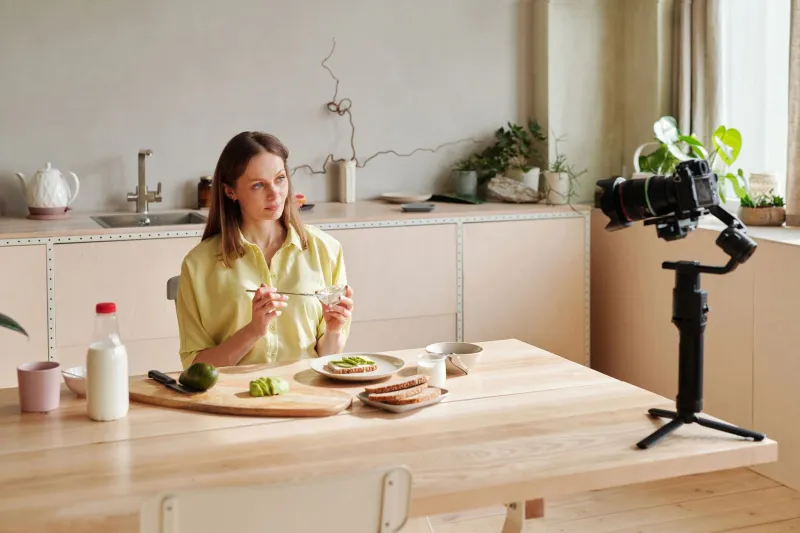
There's a specific kind of 2 a.m. loneliness that no playlist can fix. You're not sad exactly, not anxious exactly — you're just hungry in a way that has nothing to do with your stomach. And somehow, somewhere along the scroll, you land on a video of a person in Seoul sitting in front of a ring light, cracking into a seafood boil the size of a small child, and something in your chest just... loosens.
Welcome to mukbang. And no, you don't need to explain yourself.
What Mukbang Actually Is (Beyond the Obvious)
For anyone still catching up: mukbang (먹방) is a portmanteau of the Korean words for "eating" and "broadcast." It started gaining real traction in South Korea around 2010, initially on platforms like AfreecaTV, where creators would eat large — sometimes enormous — meals live while chatting with their audience. The format was social. Communal. Almost dinner-table-like in its energy.
But here's the thing people miss when they write it off as just "watching someone eat": the original Korean context was rooted in a very specific cultural moment. South Korea has one of the highest rates of single-person households in the developed world. Eating alone — especially in a culture where shared meals carry serious social weight — can feel isolating in a way that's hard to articulate. Mukbang filled that silence. The host wasn't just eating; they were keeping you company.
That origin story matters, because it reframes the whole format. This was never really about food. It was about presence.
How It Crossed the Pacific and Hit Different
By the mid-2010s, mukbang had found its way onto YouTube and into American homes, and it didn't arrive alone — it brought ASMR with it. The two formats blended naturally. The crunch of fried chicken. The slurp of ramen. The wet, satisfying sound of someone biting into a perfectly ripe peach. For ASMR audiences already conditioned to find comfort in auditory texture, mukbang was practically designed for them.
But American audiences remixed the format in their own way. Where Korean mukbang often centered conversation, community, and the host's personality, US creators leaned harder into spectacle. Bigger portions. More extreme challenges. The "10,000 calorie" video became its own genre. The emotional undercurrent was still there, but it got dressed up in entertainment packaging — because that's kind of what we do here.
That's not a criticism, by the way. It's just cultural translation in real time.
The Loneliness Variable Nobody Wants to Name
Here's the uncomfortable throughline: both Korean and American audiences are watching mukbang, at least in part, because they're lonely. The circumstances are different. The expression is different. But the hunger — that non-stomach kind — is the same.
In the US, we've spent decades building a food culture that's equal parts abundant and deeply conflicted. We have more access to food than almost anywhere on earth, and also more anxiety about eating it. Diet culture, clean eating movements, calorie tracking apps — we've medicalized and moralized the act of eating to the point where sitting down to a meal without guilt requires actual mental effort for a lot of people.
And then along comes someone on screen eating an entire tray of Korean fried chicken with zero apology, clearly enjoying every single bite, and something in the American viewer's brain goes oh. Permission, almost. Vicarious pleasure. A reminder that food is allowed to just be good.
There's research, albeit informal, suggesting that food-related content activates the same neural reward pathways as actually eating. Which means mukbang isn't just entertainment — for some viewers, it's genuinely regulating something.
The Cultural Mirror It Holds Up
What's fascinating is how differently the two audiences talk about why they watch.
Korean viewers are often pretty direct about the companionship angle. The format was built around that honesty. "I don't like eating alone" is a complete sentence there, not a confession.
American viewers tend to frame it differently — in terms of ASMR benefits, stress relief, background noise, or just "it's entertaining." The loneliness is present, but it often comes wrapped in more acceptable language. We're not great at admitting we just want to feel less alone, especially not over something as mundane as mealtime.
That gap in how we talk about it is actually more revealing than the viewing habit itself. It points to a broader American discomfort with need — with admitting that we want connection, comfort, or company, and that sometimes a stranger on YouTube is the one delivering it.
Why This Isn't as Weird as It Sounds
Let's normalize something real quick: humans have always used shared eating as a bonding mechanism. It's ancient. Every culture on the planet has rituals around communal meals — they're how we mark celebration, grief, hospitality, love. The table has always been where we show up for each other.
Mukbang isn't replacing that. It's filling in the gaps when that table is empty. When you're eating cereal alone in your apartment on a Tuesday. When you're working late and just need something in the background that feels human. When you're recovering from something and don't have the energy to reach out but still don't want silence.
Viewed that way, it's not strange at all. It's actually pretty tender.
What It's Quietly Teaching American Audiences
Beyond the emotional stuff, mukbang has done something kind of remarkable for how Americans encounter Korean food culture. Dishes that were niche or unfamiliar five years ago — tteokbokki, buldak noodles, Korean corn dogs, army stew — have blown up in US markets partly because people watched them being eaten on screen with such obvious, unfiltered joy.
Food is one of the fastest cultural entry points we have. You don't need to speak the language. You don't need historical context. You just need to watch someone bite into something delicious and feel the secondhand warmth of it. Mukbang has been quietly doing cultural exchange work, one seafood platter at a time.
And maybe that's the most Morhikaye thing about it — a format that started in one country's specific emotional landscape somehow became a universal language for a very human kind of hunger. Unfiltered. Unpretentious. Oddly intimate.
Somebody pass the chopsticks.