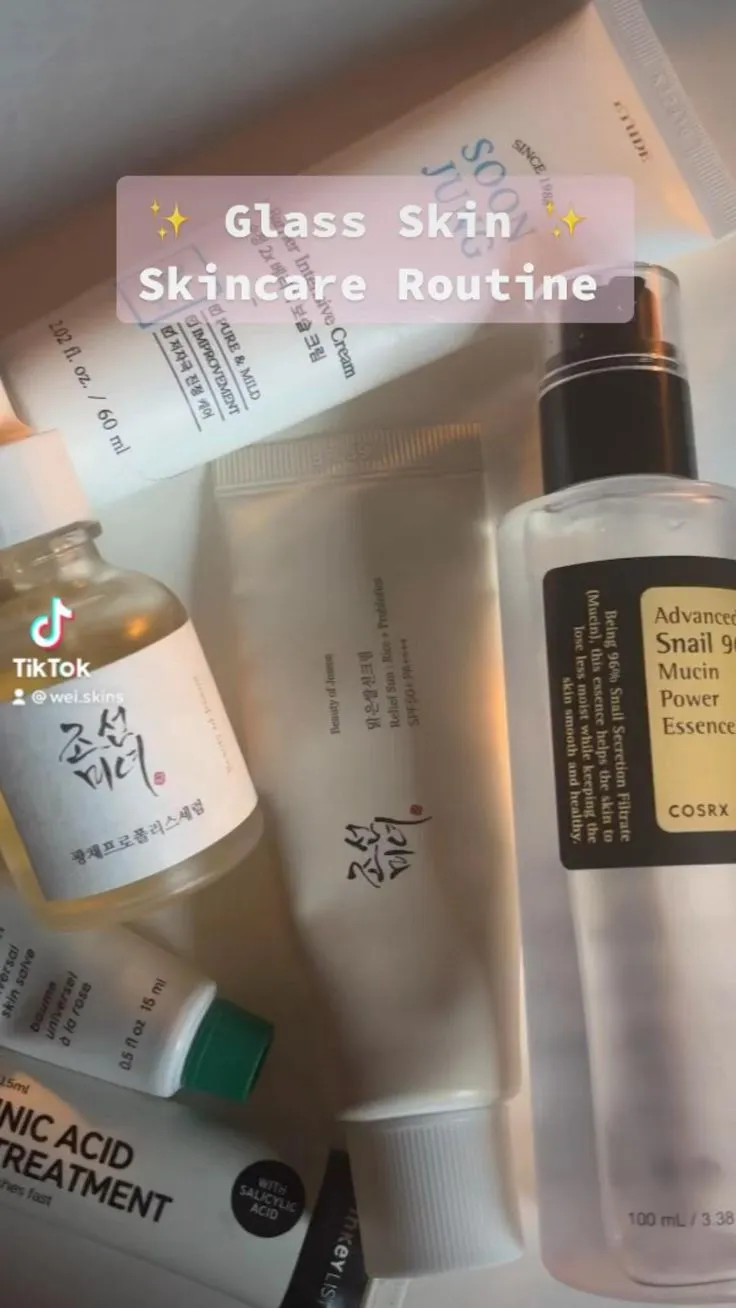
Glass Skin Isn't a Trend — It's a Philosophy Western Shelves Never Sold You
The Breakup Nobody Saw Coming
For years, American skincare shelves have been basically a chemistry lab. Retinols stacked on glycolic acids stacked on vitamin C serums — all of it promising transformation, all of it asking your face to take a beating in the name of results. The logic was simple and weirdly aggressive: if your skin isn't slightly burning, is it even working?
Then K-beauty walked in and said, respectfully, absolutely not.
Korean beauty philosophy isn't new. It's rooted in centuries of wellness tradition that treats the skin as something alive — a dynamic, breathing ecosystem that responds to stress, seasons, diet, and emotion. What's new is that Gen Z in the US is actually listening. And dermatologists are starting to back them up.
Prevention Over Correction: The Core Shift
The single biggest philosophical gap between Korean and Western skincare is the timeline. Western beauty culture has historically been reactive — you break out, you treat it. You see fine lines, you zap them. The skin becomes a problem to solve, a surface to fix.
K-beauty flips that entirely. The goal is to never need the heavy intervention in the first place.
"Korean skincare is fundamentally about maintaining skin health over time rather than chasing quick fixes," says one New York-based dermatologist who's been seeing a noticeable shift in what her younger patients bring into appointments. "The patients coming in now who've been doing layered, gentle Korean routines since their teens honestly have better baseline skin texture than people who spent those same years doing harsh chemical exfoliation every other day."
That prevention-first mindset shows up in everything — from the SPF obsession (Korean sunscreen culture is legendary for a reason) to the emphasis on hydration as a first-line defense rather than an afterthought.
Layering Without Aggression
If you've ever looked at a 10-step K-beauty routine and felt your eyes glaze over, you're not alone. But here's the thing people misunderstand: the layering isn't about piling on more product for the sake of it. It's about building a system where each lightweight layer supports the next.
Essences, serums, ampoules, sheet masks — these aren't redundant. They're designed to work in concert, each one addressing a specific skin need with a light touch. The philosophy is almost musical: no single instrument drowns out the others.
Compare that to the Western "active ingredient" obsession, where the goal is often maximum concentration, maximum penetration, maximum disruption of the skin barrier. Retinol at 1%, exfoliating toner, prescription-strength benzoyl peroxide — all in the same week, sometimes the same night.
"We've created a culture where people are essentially hazing their skin," says beauty influencer and content creator Dani Yoon, who runs a popular skincare-focused channel and has been documenting her own transition away from Western actives for the past two years. "I used to think if my skin wasn't peeling a little, I wasn't doing enough. K-beauty taught me that a compromised skin barrier is the root of almost every problem I was trying to treat."
She's not wrong. Dermatologists widely agree that a damaged skin barrier — often caused by over-exfoliation and harsh cleansers — is behind a huge range of issues including sensitivity, breakouts, and accelerated aging. The very problems people are trying to fix.
Ingredient Minimalism in a Maximalist Market
Walk into any Sephora and count the ingredients on the back of five random products. It's chaos. Forty-ingredient formulas are standard. "Clean beauty" brands sometimes have ingredient lists longer than a CVS receipt.
K-beauty, especially in its more traditional form, leans toward restraint. Formulas built around fermented ingredients, snail mucin, centella asiatica, and green tea extract — things that have been used in Korean wellness traditions for generations — are often simpler, more targeted, and gentler on the skin's natural microbiome.
The fermentation piece is particularly interesting. Fermented ingredients are pre-digested by beneficial bacteria, which makes their molecules smaller and more bioavailable. Your skin absorbs them more efficiently, without the inflammation that can come from forcing large active molecules through the barrier. It's sophisticated science dressed in a very calm package.
Why Gen Z Is the Conversion Generation
Millennials grew up with the "no pain, no gain" skincare mentality. Gen Z, raised on TikTok dermatologists and Reddit skincare forums, grew up questioning it.
The K-beauty wave hit the US mainstream around 2015 with BB creams and sheet masks, but what's happening now is different — it's philosophical, not just aesthetic. Gen Z isn't just buying Korean products; they're adopting Korean skincare values. Skin as ecosystem. Prevention as power. Gentleness as discipline.
There's also something culturally resonant happening here. At a moment when wellness culture in the US is broadly pushing back against hustle-and-grind mentality, the idea that your skin doesn't need to be punished into submission lands differently. It fits into a larger conversation about rest, sustainability, and working with your body rather than against it.
Dani Yoon puts it this way: "Honestly, K-beauty gave me permission to be less aggressive with myself. That sounds dramatic for a skincare routine, but it genuinely changed how I thought about self-care overall."
The Western Industry Is Paying Attention
American beauty brands aren't blind. The past three years have seen a surge in US-made products borrowing heavily from K-beauty principles — lighter textures, barrier-repair focus, fermented ingredients, gentler exfoliants. Even legacy brands known for high-concentration actives have started releasing "barrier support" lines to capture the audience that's been burned (sometimes literally) by the old approach.
It's a quiet admission that the philosophy was always a little off.
The global beauty industry is a two-way street, and K-beauty's influence on Western formulation is only going to deepen. But the more interesting shift isn't in what's on the shelf — it's in how American consumers are starting to think about skin in the first place.
Not as a problem. Not as a surface. As something living, worth protecting, worth being patient with.
That might be the most radical thing Korean beauty ever exported.