Dining Solo Isn't Sad Anymore — South Korea Made Sure of That
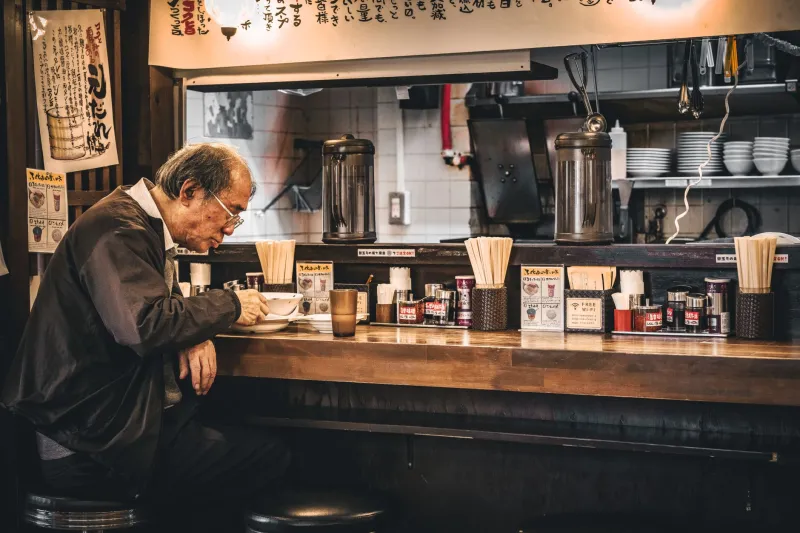
There's a specific kind of dread most Americans know too well. You walk into a restaurant alone, and the host asks, "Just one?" — emphasis on the just — and suddenly you're performing an elaborate mental gymnastics routine to convince yourself you're fine, you're busy, you're choosing this. You scan for a corner table. You pull out your phone before you even sit down. You order fast so the server stops giving you that look.
For a long time, solo dining in the US carried this invisible shame. Eating was social. Eating alone meant something was wrong — with your schedule, your relationships, your life. And then South Korea said: hold on.
Korea Had a Word for It Before We Had a Clue
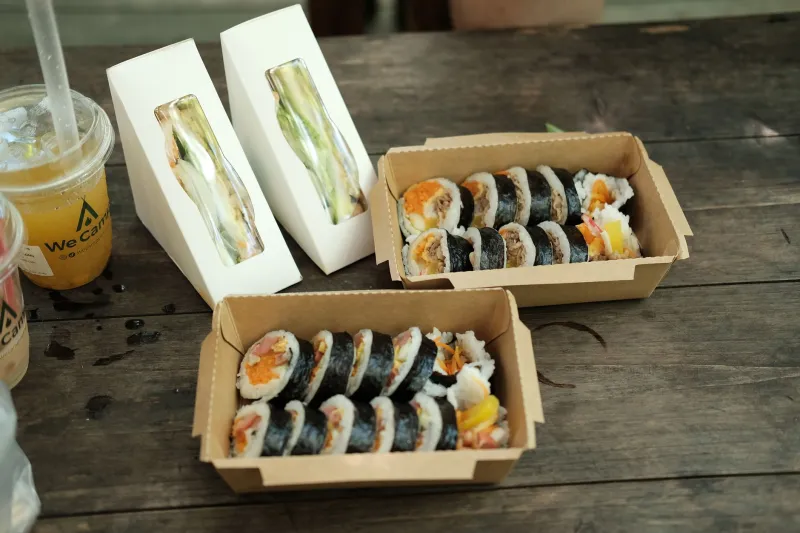
The Korean term honjok — a mashup of hon (alone) and jok (tribe) — describes a growing cultural movement built around doing things solo and genuinely enjoying it. Eating alone (honbap), drinking alone (honsul), going to the movies alone. These aren't acts of defeat. They're choices. Lifestyle markers, even.
This shift didn't happen overnight. South Korea's rapid urbanization, brutal work culture, and rising rates of single-person households created a practical need for solo infrastructure. Restaurants started installing single-seat counters with dividers. Convenience stores became legitimate dining destinations. TV shows like I Live Alone — a reality series where Korean celebrities document their solo home lives — pulled in millions of viewers and made the whole thing aspirational rather than pitiful.
What Korea did, essentially, was remove the social stigma from a completely normal human experience. And the rest of the world noticed.
Why Americans Made Eating a Group Sport
In the US, food has always been tied to community — Sunday dinners, first dates, business lunches, holiday spreads. There's nothing wrong with that. But somewhere along the way, the communal nature of eating quietly became a measuring stick. If you're eating alone, the assumption goes, you must not have people to eat with. And not having people means something about your worth.
It's a deeply American anxiety rooted in how we conflate productivity and social capital. Even our "self-care" culture — which exploded over the last decade — still tends to frame alone time as recovery from social life, not a destination in itself. A bubble bath is self-care. A solo dinner at a nice restaurant on a Friday night? That used to feel like a consolation prize.
Gen Z is done with that framing, and honestly, it's about time.
The Generation That Grew Up Watching People Eat Alone on Camera
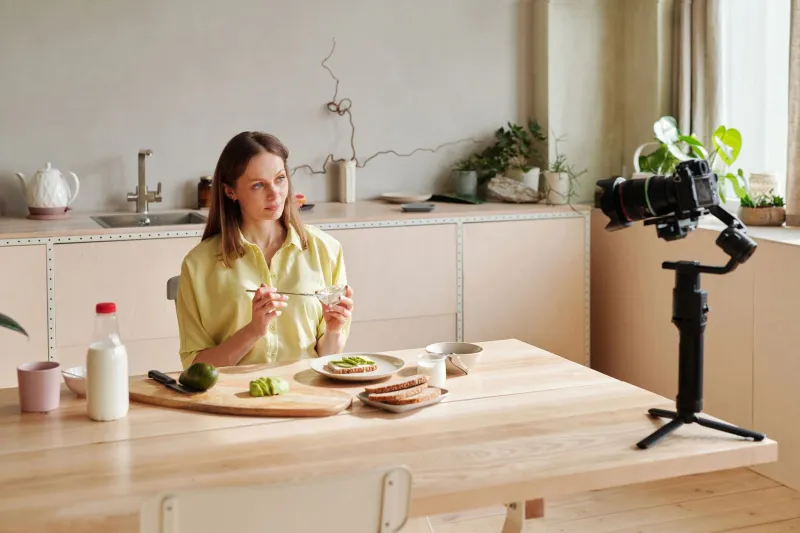
Here's a funny thing: millions of young Americans spent the last several years watching Korean mukbang creators eat enormous meals by themselves on camera — and finding it deeply comforting. There's something about watching someone enjoy food without apology, without company, without a social agenda, that hits differently when you've been raised to feel guilty about the same thing.
Mukbang wasn't just entertainment. It was a slow normalization of solo eating as an experience worth having. Worth sharing, even.
Combine that with the broader Korean Wave — K-dramas, K-pop, Korean skincare, Korean street food going viral on TikTok — and you've got a generation that's been marinating in a cultural worldview where solo dining is just... a thing people do. A good thing. A thing you can center a whole TV episode around.
Restaurants Are Finally Catching Up
The design world noticed before the culture did. In major US cities, you're starting to see it: single-seat bars facing open kitchens, counter-style ramen spots that feel intentional rather than cramped, fast-casual chains quietly adding solo-friendly layouts without making a big announcement about it.
Some of it is practical — urban square footage is expensive, and single diners turn tables faster. But some of it is a genuine response to shifting demand. Yelp reported a notable rise in searches for solo-dining-friendly spots post-pandemic. OpenTable data showed single-party reservations climbing steadily, especially among younger diners.
The old model — round tables for four, booths designed for couples, menus that assume you're splitting — is slowly giving way to something more honest about how people actually live. Not every meal is a social event. Sometimes you're hungry, you want something good, and you want to sit with your own thoughts for forty-five minutes.
That should have always been enough.
What Solo Dining Is Actually About
Here's the part that gets interesting when you dig into the psychology. Research on solo dining anxiety points to something called social evaluation threat — the fear of being judged by others for eating alone. It's not about the food or even the loneliness. It's about the performance of not being lonely.
When you remove that performance, something shifts. Solo diners report being more present with their food, more attuned to flavor, less distracted. Chefs have quietly said for years that solo diners at the bar are often their most engaged customers — they're actually tasting things, asking questions, paying attention.
There's a mindfulness argument buried in there that the wellness industry somehow missed while it was busy selling group yoga retreats.
Korea's honjok culture gets at this intuitively. Solo time isn't absence of connection — it's a different kind of presence. With yourself, with your environment, with the actual experience of eating rather than the social choreography around it.
America Is Slow, But It's Getting There
Change is happening in pockets. You see it in the rise of solo travel content, in the normalization of going to concerts or movies alone, in the Gen Z rejection of performing happiness for social media at the expense of actually experiencing things.
Dining alone is part of that same current. It's not a trend with an expiration date — it's a recalibration of what self-sufficiency looks like. And it's got a Korean blueprint to follow.
Next time a host asks "just one?" — you don't have to flinch. You can say yes, pick the seat at the counter, order exactly what you want, and eat it slowly without looking at your phone once.
That's not sad. That's actually kind of radical.