Nap Hard, Stroll Harder: The Mediterranean Leisure Rituals America Is Slowly Stealing
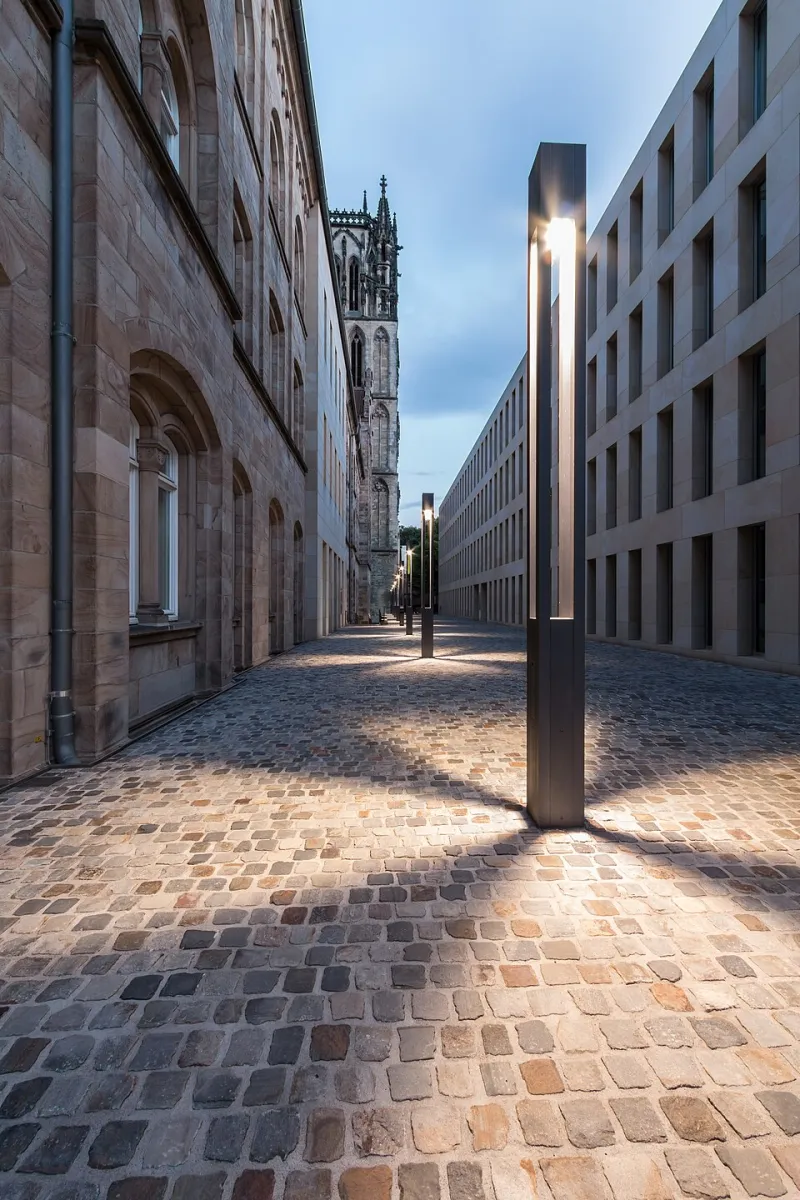
Photo: Dietmar Rabich, CC BY-SA 4.0, via Wikimedia Commons
There's a moment that happens to a lot of American travelers in Italy, usually around 1:30pm on a Tuesday. They're hungry. They wander toward a shop or a restaurant they found online. And the shutters are down. Not closed-for-the-season down. Closed-because-it's-Tuesday-afternoon down.
The first time, you think it's a fluke. The second time, you realize it's a philosophy.
The Whole Town Agrees to Disappear
In much of Italy, the riposo — the midday break — is still baked into the rhythm of daily life, especially in smaller towns and the south. Shops close, lunches run long, and for a couple of hours in the hottest stretch of the day, the entire town collectively agrees to step away. It's not laziness. It's scheduling. The day is simply built differently.
Spain runs on a similar logic but extends it into the evening with the paseo — the after-dinner stroll. Whole families pour into town squares and promenades around 9 or 10pm. Nobody's exercising. Nobody's networking. They're just... out. Together. Wearing their nice clothes, eating an ice cream, walking in the same direction as everyone else for no reason other than that everyone else is walking.
To an American eye, it can look almost suspicious. Where's the goal? What's the KPI of a paseo?
Burnout Made Us Curious
Here's the thing: you can only read so many headlines about hustle culture before you start asking questions. American workers leave billions of dollars in vacation days on the table every year. We eat lunch at our desks. We've turned 'replying to emails at 11pm' into a personality trait. And somewhere in the last few years, enough of us hit a wall that the riposo started looking less like a quaint foreign custom and more like a survival strategy.
The result is a quiet import trade. TikTok is full of creators explaining 'slow living' through the lens of their summers in Puglia. Wellness newsletters recommend the post-dinner walk — a phrase that is, functionally, a paseo with the romance sanded off. Even corporate America has started flirting with 'no-meeting afternoons,' which is the riposo wearing a lanyard.
The Cultural Logic (It's Not Just About Naps)
What's easy to miss from the outside is that these rituals aren't really about rest in the individual sense. They're about synchronization. A riposo only works because the whole town participates — you can't nap properly if you're worried you're missing a client. A paseo only means something because it's communal; the pleasure is in seeing and being seen, in the ambient company of your neighbors.
That's the part that doesn't translate into a self-care routine. You can buy a blackout curtain and a nap pillow, but you can't purchase a town that agrees to shut down with you.
How to Borrow Without Larping
So you live in Ohio and nobody's closing the hardware store at 1pm. Fine. Here's an honest, non-romanticized version of what you can actually take:
- Protect a real lunch break. Not a 'working lunch.' Leave the desk. Eat something that requires a plate.
- Walk after dinner, phone in pocket. Twenty minutes around the block counts. Bonus points if a neighbor or family member joins.
- Normalize the afternoon dip. If your workplace allows it, a 20-minute rest is more productive than a third coffee. You don't need to call it a siesta. You don't need to post about it.
- Resist the urge to optimize it. The moment you track your paseo on a fitness app and chase a step goal, you've rebuilt the thing you were escaping.
And one more thing worth saying: these traditions belong to places with their own economic pressures and their own critiques. Southern Europe isn't a wellness retreat — ask anyone who's job-hunted in Spain. Borrowing the rituals is fine. Pretending the whole culture is a spa is not.
The Quiet Rebellion Part
Still, there's something genuinely radical about an American choosing to be unreachable at 2pm. In a country where exhaustion is often worn like a merit badge, closing your eyes after lunch or taking a slow walk with your partner is a small act of dissent. It says: the day belongs to me too.
The Italians and Spanish never needed to make that statement. They just made it a habit, centuries ago, and got on with their lives. Maybe that's the real lesson. Not 'do nothing' — but stop needing to justify it when you do.